From the standard into your processes.
You implement the requirements, from the context of the organization to corrective action, in your own QM practice.
Popular: document control, audit management, pricing
Two days in which standard requirements turn into concrete steps for your quality management. With experienced auditors, practical examples and the 2026 revision.
The training goes beyond reading the standard: you translate requirements into processes, discuss real audit situations and take away concrete approaches for your company.
You implement the requirements, from the context of the organization to corrective action, in your own QM practice.
Your trainer works as an auditor and uses examples to show what evidence an auditor wants to see for a requirement.
The changes are built into the modules. You go home with your own roadmap for transitioning your QM system.
For QMRs, managers and employees with QM responsibilities, for beginners as well as colleagues with prior knowledge.
You are taking on QM tasks for the first time and learn the standard and its structure systematically.
You compare the new version with your processes and develop your own transition plan. More about the revision
Your team translates requirements into its own processes and gives competent answers in the audit.
Good to know: Standard training and software training complement each other. This training is about ISO 9001 and how to apply it in QM. How to set up and use eQMS is shown by our support team in the eQMS user training.
The modules follow standard clauses 4 to 10. Open individual topics to see content and learning outcomes. Practical examples from real audits and group exercises are part of it.
Modules 1 to 6 · Understand and structure the requirements
QM principles, process approach, risk-based thinking, PDCA, structure of the standard and an overview of the 2026 revision.
Afterward, you can: assign a requirement to its clause and explain to colleagues how the standard is structured.
Internal and external issues, interested parties, scope and climate change as a possible issue (climate clause since 2024).
Afterward, you can: identify the issues and parties that matter for your QM and define the scope in a traceable way.
Leadership and commitment of top management, quality policy, roles, responsibilities and authorities. New: quality culture and ethical behavior.
Afterward, you can: explain to management what the standard requires of them and word policy and responsibilities so they hold up in an audit.
Risks and opportunities, quality objectives and the planning of changes. New: risks and opportunities considered separately, expanded planning of changes.
Afterward, you can: assess risks and opportunities separately, back objectives with actions and plan changes in a traceable way.
Resources, competence, awareness, communication and organizational knowledge.
Afterward, you can: identify training needs, demonstrate competence and retain knowledge in the company.
What has to be documented and how you create, review, approve and retain documents.
Afterward, you can: keep your documentation lean, with exactly one valid version per document.
Modules 7 to 11 · Apply and implement in your company
Customer requirements, development, external providers, releases and handling nonconforming outputs.
Afterward, you can: describe your core processes so that everyone understands them and manage customer and supplier requirements in a traceable way.
Key figures, customer satisfaction, internal audit and management review.
Afterward, you can: plan internal audits for the whole year, turn findings into actions and compile the inputs for the management review.
Deviations (called nonconformities in the standard), corrective actions, root cause analysis and effectiveness.
Afterward, you can: address causes instead of symptoms and demonstrate that your actions work.
Changes in brief, Annex A, comparison with your QM system, roadmap to 2029, digitalization and AI put into context.
Afterward, you can: assess what changes for your QM system and transition with your own roadmap.
Review, open questions, an exam if you wish and your next step.
Afterward, you know: where you stand and which step fits next.
The order is a suggestion, and your trainer adapts it to your team, your industry and your questions. If you work with eQMS, they show you where the requirements have their place there, for example in document control or audit management.
The training works with workflows, templates and examples from audit practice. Six sample slides give you a first impression.
The work begins in clause 4. Clauses 1 to 3 cover scope, references and terms.
Example A table is enough. In the seminar, you fill in the matrix with your company's topics.
2026 revision Risks and opportunities are considered separately. One register or two, you decide.
ISO 9001, clause 9.2.2. In the seminar, you plan an audit for one of your processes.
As soon as your certification body is accredited for it.
Your regular date carries the transition.
Also the path if you want to transition earlier.
Tip Ask early when your certification body will start auditing to the 2026 version.
The auditor checks whether the rule exists.
Example climate changeIs the topic named in the context matrix?
You show what you do and with what result.
Example climate changeWhich action did you derive from the assessment?
In the seminar, you practice short answers for every standard clause: What do we do specifically, and what comes out of it?
ISO 9001:2026 was published on September 16, 2026. In the training, the changes are built into the modules, and in module 10 you apply them to your own QM system.
Quality culture and ethical behavior as a leadership responsibility, risks and opportunities considered separately, expanded planning of changes, a revised Annex A and the 2024 climate clause firmly in the standard text.
Process approach, PDCA cycle and risk-based thinking. In module 10, this becomes your own roadmap for the transition.
You tell us about your team and your project. Together we choose the right format.
Online or at our facility, on request at your site. With a certificate of attendance or with an exam and certificate.
Eleven modules with examples from real audits, exercises and time for your team's questions.
You receive your proof and apply what you learned to your QM system. With eQMS, you store it in the Qualification module.
The ISO 9001 training is the starting point. If needed, you can then qualify for the QMR role or for internal audits.
Understand the standard and apply the requirements to your QM system.
Take on the QMR role and know which tasks come up over the course of the year.
Plan, conduct and evaluate internal audits in your own company.
Each level concludes with its own proof of completion. All prices excl. VAT per participant.
Individual participation, group training or an exam with certificate: the terms at a glance.
990 €excl. VAT
per participant
Online or at our facility. For QMRs, managers and employees with QM responsibilities, for beginners and advanced participants.
from €3,490excl. VAT per group
Up to six participants, two days, fixed price per group. On request at your site, plus travel costs.
+ 150 €excl. VAT per participant
Exam and certificate. The certificate of attendance is already included in the seminar.
Your trainers are eQMS auditors with more than 20 years of audit experience. They know the standard text and know from practice which evidence an auditor wants to see.
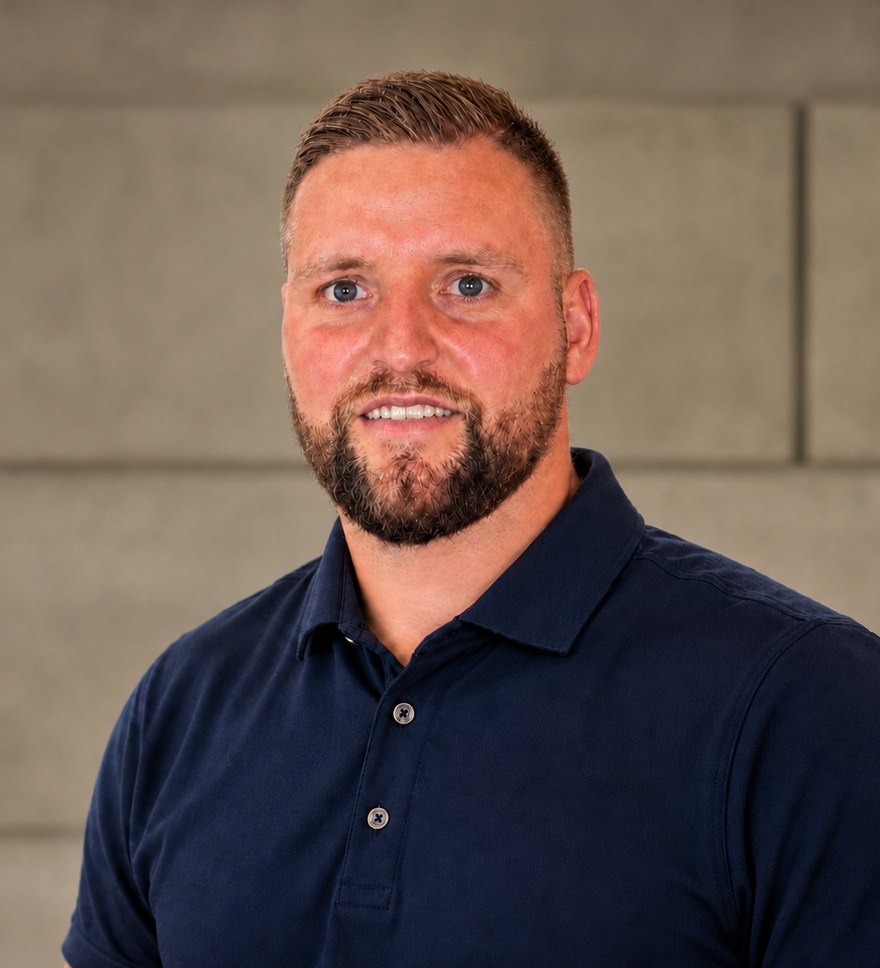
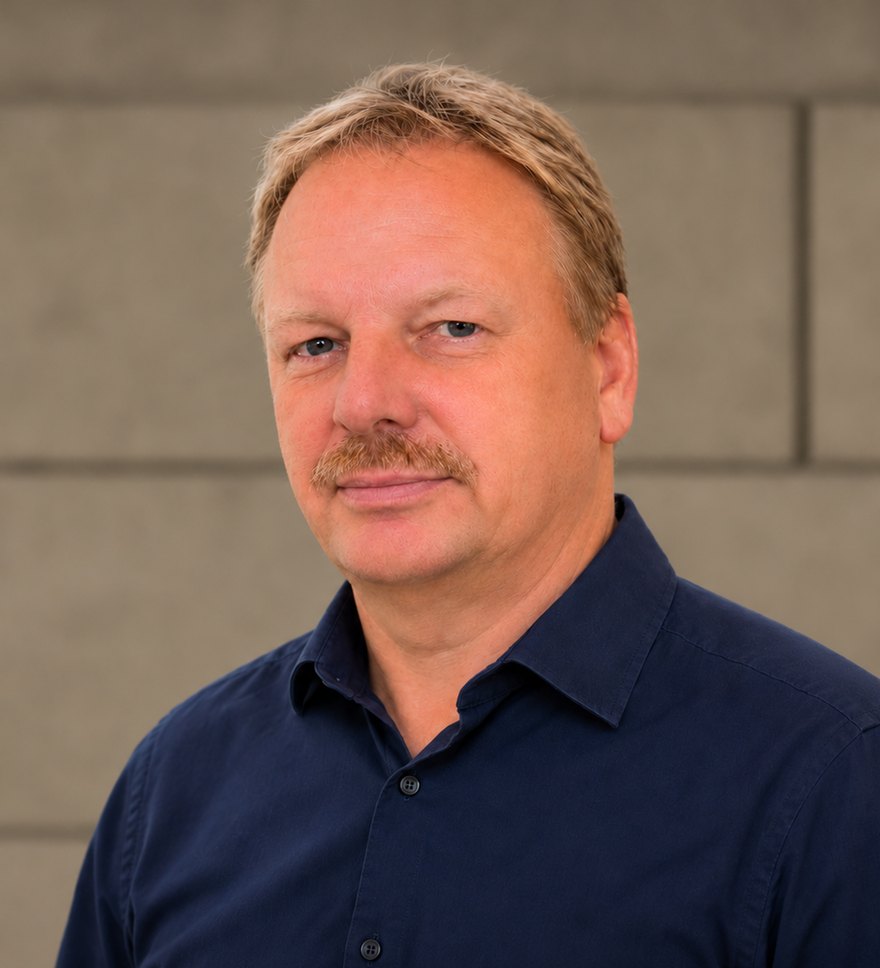
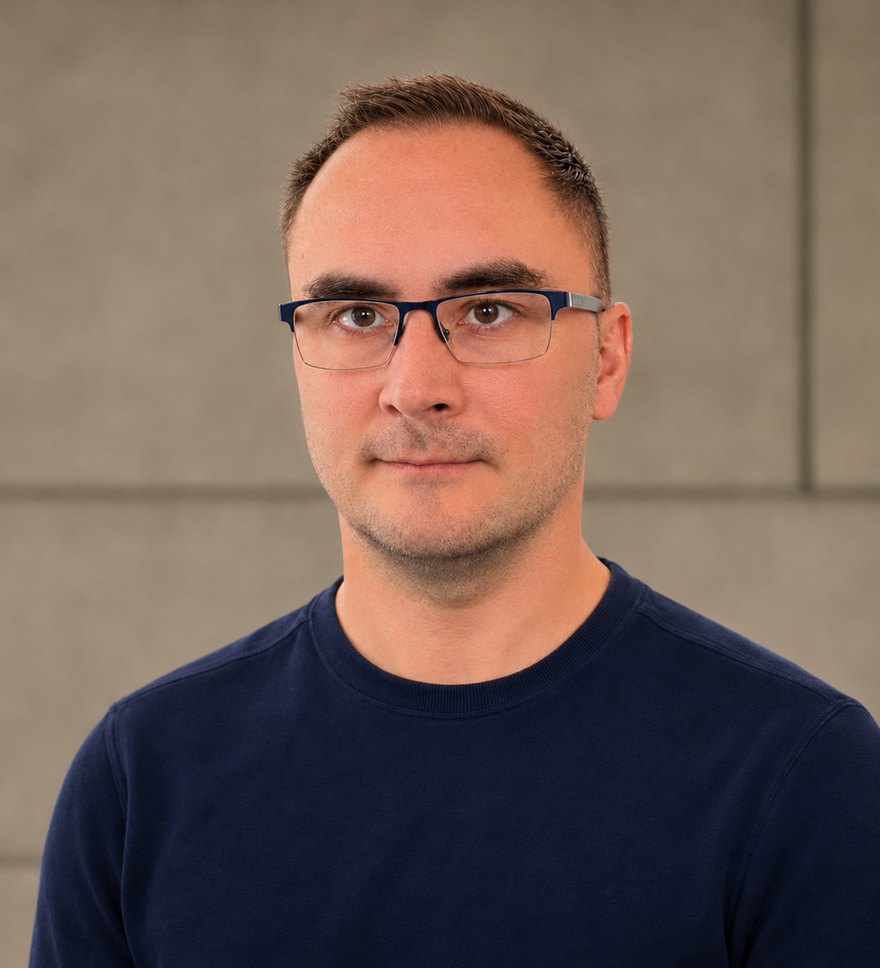
These are your main contacts. Behind them is a whole team of auditors, QM consultants, support staff and software developers working together for you. More about us
Answers on completion, location, price, revision and your next training step.
Ask another questionThe eQMS ISO 9001 training is a two-day practical seminar on the requirements of ISO 9001, including the 2026 revision. Experienced auditors explain the requirements using examples from everyday QM and show what evidence an auditor expects. The training is aimed at QMRs, managers and employees with QM responsibilities, takes place online or at our facility, and concludes with a certificate of attendance, or on request with an exam and certificate. The price is €990 excl. VAT per participant.
If you want one, yes. The training concludes with a certificate of attendance. On request, you can also take an exam and receive a certificate, for a surcharge of €150 excl. VAT per participant.
Proof for audits and your personnel file, as a certificate of attendance or a certificate, plus your transition plan for the 2026 revision. In clause 7.2, ISO 9001 requires you to demonstrate your employees' competence with documented information, and your proof is exactly such evidence. If you work with eQMS, you store it in the Qualification module.
Both. Online, you learn the same content and receive the same qualification, and on site we train at our facility. On request, your trainer can also come to your company, in which case travel costs apply.
The two-day training costs €990 excl. VAT per participant. For your team as a group, a fixed price from €3,490 excl. VAT applies for up to six participants.
Quality culture becomes a leadership responsibility, risks and opportunities are considered separately, and the planning of changes is expanded. Certified companies transition by September 30, 2029. In module 10, you develop your own roadmap for this.
To some extent, yes: your trainer shows where the requirements have their place in eQMS. Our support team shows you how to set up and use the system in the eQMS user training, and the two complement each other well.
The ISO 9001 training is the starting point for everyone with QM responsibilities. Anyone taking on the QM role continues with the QMR training course, and anyone who wants to conduct internal audits themselves continues with the internal auditor training.
Let us know whether you want to take part individually or as a team. We will discuss the date, format and completion with you personally.
Talk to us in person+49 34293 4797-37